
Introduction to Community Safety
My work in the States and internationally has focused on mass people environments. After the 2013 shooting at the Los Angeles International Airport (LAX), we were asked by two of the Chiefs at the time to look into one of the most prolific downfalls, communication. That started a multi-year program dissecting active shootings and crisis management events in places with large numbers of people, such as airports and seaports. This led us to work with multiple agencies worldwide and, in 2018, produced a set of best practices.
I am working on this same issue here in Edmonds. The goal is to have an interoperability framework called the Joint Emergency Services Interoperability Project (JESIP). The goal would be to have the Port, DOT-Ferry, Woodway, and Edmonds all working together for crisis management. This effort is just beginning, but I have been visiting with former Edmonds Chief of Police Al Capoon, who has the same vision. I will keep you posted.
In recent years, community safety has emerged as a paramount concern for citizens and stakeholders alike. Increasingly, it has become evident that ensuring safety is not solely the responsibility of law enforcement agencies; rather, it requires a concerted effort from multiple agencies and community members. Collaborative efforts can enhance the level of protection and vigilance available to all. The significance of such cooperation and the power of public awareness cannot be understated in formulating a safer community.
The Importance of Multidisciplinary Collaboration
Formulating a safer community hinges on the effective collaboration between various organizations, including law enforcement, fire, public authorities, healthcare facilities, social services, businesses, and the community itself. Each entity plays a unique role in addressing the safety concerns and preparing for the event of an incident.
Here is some additional information on public safety and how we can all work together for a safer community. We have the leadership to do this.
Public Awareness as a Catalyst for Change
Equally important in formulating a safer community is the enhancement of public awareness. When citizens understand the dynamics contributing to crime, safety threats, and what to do, including notifying authorities and meeting the requirements of a major incident. Public awareness campaigns can educate residents about recognizing suspicious behavior, understanding emergency protocols, and accessing local resources. Informed citizens are more apt to take part in community watch programs, neighborhood support groups, and safety workshops, strengthening the fabric of community safety.
Moreover, empowering citizens through knowledge fosters a culture of awareness that serves as a deterrent to crime. When individuals feel invested in the safety of their surroundings, their vigilance can lead to more effective reporting and collaboration with law enforcement. Thus, the reciprocal relationship between agency collaboration and public awareness is crucial in building a safer community.
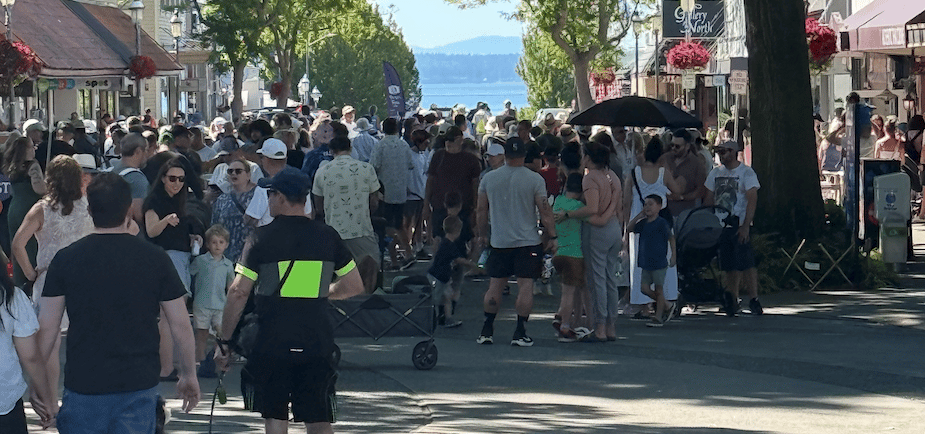
No less important is having the public agency authorities collaborate on a regular basis. In Edmonds, where we have events bringing large numbers of people together, it is imperative that we have our waterfront reviewed and trained together for different scenarios.
Conclusion: A Collective Responsibility
Formulating a safer community is an ongoing endeavor that necessitates collective responsibility. Both agencies and the public must work hand-in-hand to identify issues, share resources, and develop effective strategies for improved safety. Community leaders and residents alike must strive towards enhanced collaboration and an increased commitment to public awareness. Through these synergistic efforts, we can cultivate environments that prioritize safety, foster trust, and ultimately lead to a more vibrant and secure community.
My thoughts, Jay
Join My List - I'm here to Listen!
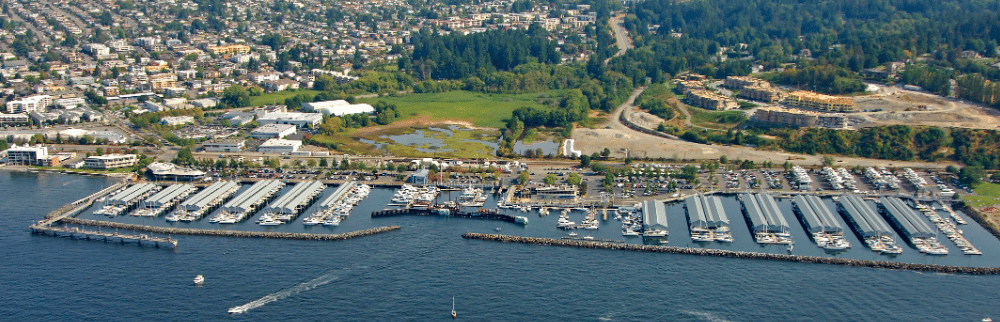
I would appreciate your thoughts and ideas. Let's work together to make the Port of Edmonds the best for our community.